
The short answer
- ChatGPT and Perplexity are strong at general research and writing, but they are not built to dig into primary sources such as foreign government documents and patents.
- Specialist databases are the most reliable of all, but they are scattered by country and by field, and a cross-border search through them can take days or weeks.
- Factdock is the only one of the five that covers 109 languages, reaching the world's primary sources directly and delivering them in your own language.
Why looking things up got easier but not better
AI search tools like ChatGPT and Perplexity have spread quickly, and the effort of looking something up has collapsed. Type an ordinary question, get a plausible answer straight away. Research that used to take half an hour now feels like it takes seconds.
And yet the people who research for a living are often the ones left with a nagging doubt.
- The answer sounds right — but is any of it actually grounded in an original source?
- I wanted the foreign regulation itself, and all I get is somebody's summary of it.
- There is important material that only surfaces if you search in that country's language, and I am almost certainly missing it.
None of this means today's AI search tools are bad. For everyday questions they are excellent. It is that convenience and certainty have behaved like two ends of a seesaw. This article compares five research tools fairly, and works out which one fits when what you need is foreign primary sources, read efficiently in English.
1. Five research tools, compared
Start with how each of the tools we already use actually works, and what that makes it good and bad at.
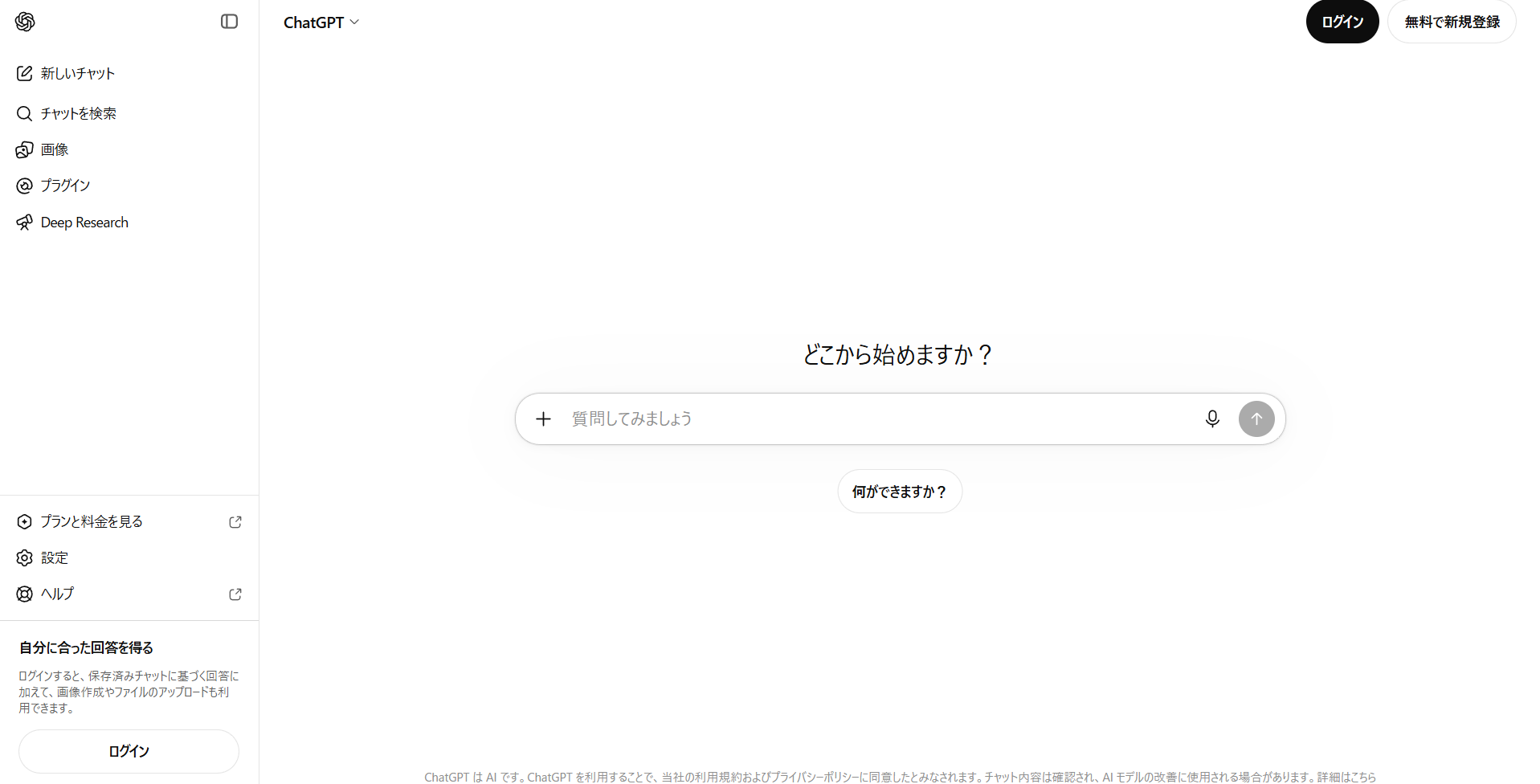
ChatGPT
OpenAI「the all-rounder」
ChatGPT is a conversational AI assistant that handles writing, brainstorming, programming and ordinary conversation in one place.
- Good at
- Drafting and summarising, generating ideas, organising general knowledge. Its range is enormous, and it is useful at almost any point in a working day.
- Not built for
- Going out and finding an official document published moments ago, or a specialist foreign source. Because it answers from learned knowledge and what is on the open web, material that sounds right but is wrong can find its way in.
Perplexity
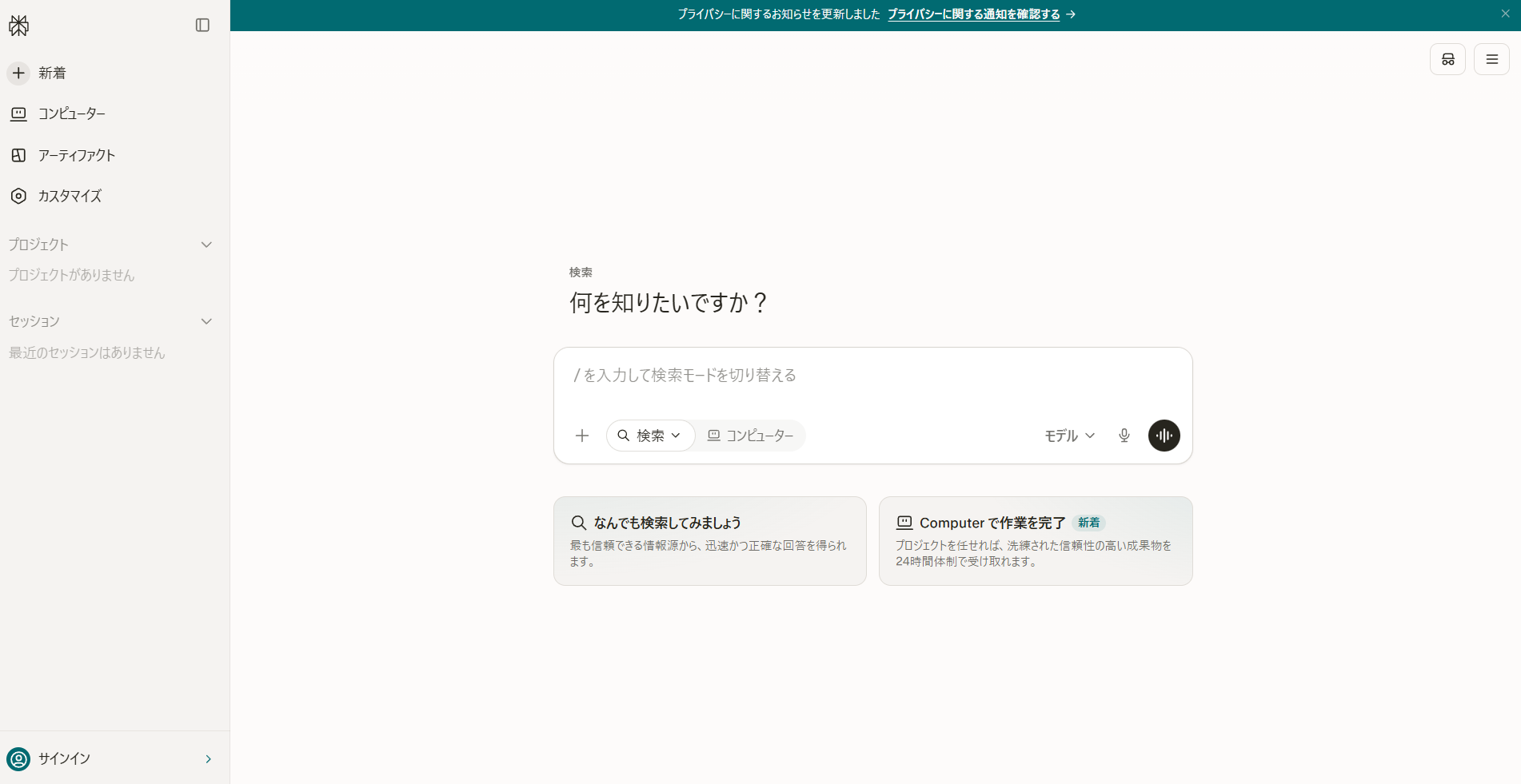
Perplexity AI「the AI search engine that cites」
Perplexity is an AI search engine that answers from live web results and shows the sources it drew on.
- Good at
- Everyday research, checking a news story, gathering general web material with citations attached. Seeing where a claim came from makes it an excellent place to start verifying something.
- Not built for
- Reaching primary sources that search engines do not rank. Government portals and patent offices are not written for search visibility, so they rarely surface — and what does not surface does not reach Perplexity either.
Google / Bing
Conventional search engines「unbeatable in English, until the language barrier」
Google Search is the conventional engine that finds web pages from the keywords you type.
- Good at
- General questions in English and anything close to home. For research that stays inside your own language it is still the fastest, surest route there is.
- Not built for
- Foreign primary sources. Look for an obscure overseas statute or a company registry entry and two walls go up at once: building the keywords in the local language, and translating your way through page after page of results.
Specialist databases
Official gazettes, patent offices, academic databases, registries「the most reliable, and the most scattered」
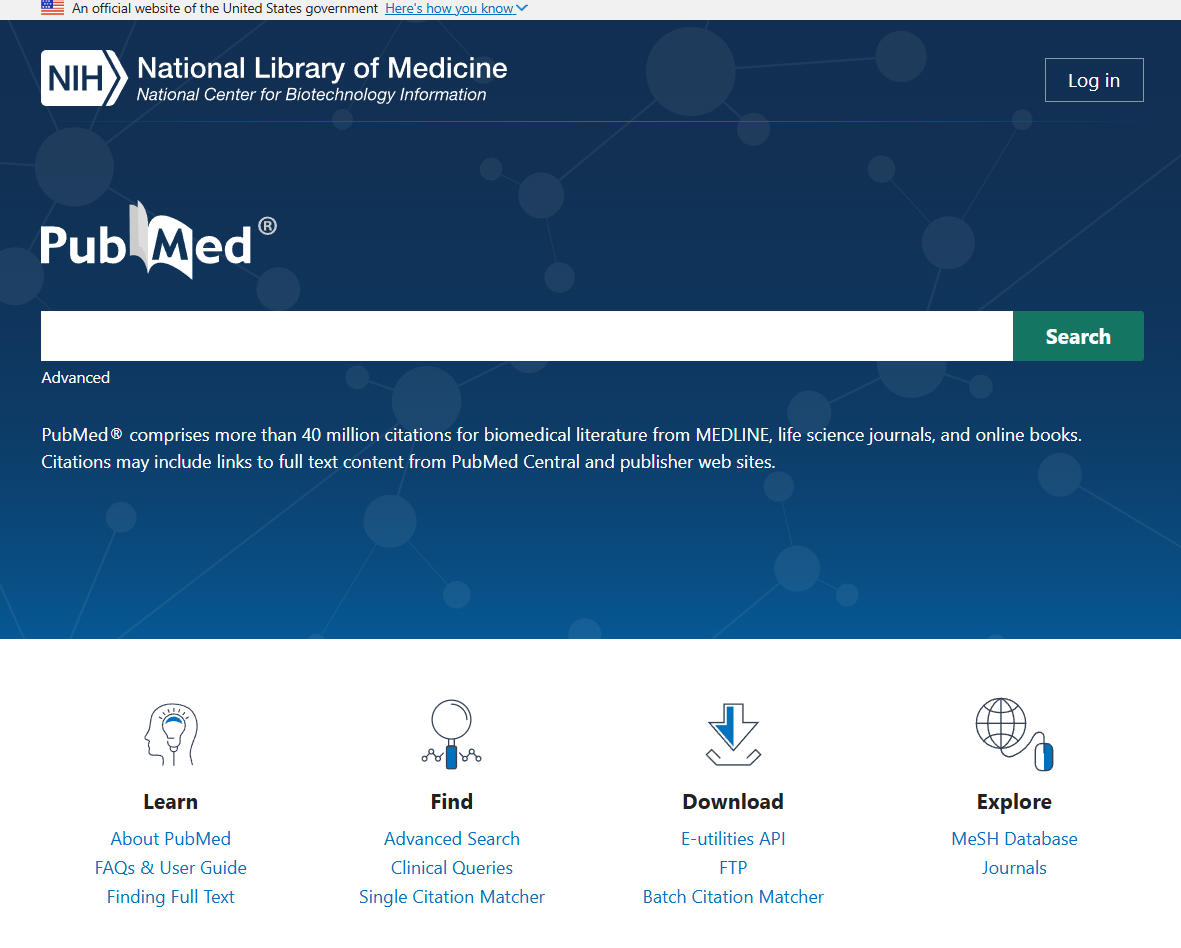
Specialist databases are the primary sources themselves — official gazettes, national patent offices, academic platforms such as PubMed, and company registries.
- Good at
- Precise, high-certainty research inside one field. For sheer reliability nothing beats going to the record itself.
- Not built for
- Efficient research across several countries or fields. Each one has its own language and its own interface, so even a specialist can spend days or weeks on a single cross-border question.
Factdock
Factdock「109 languages, straight to the world's primary sources」
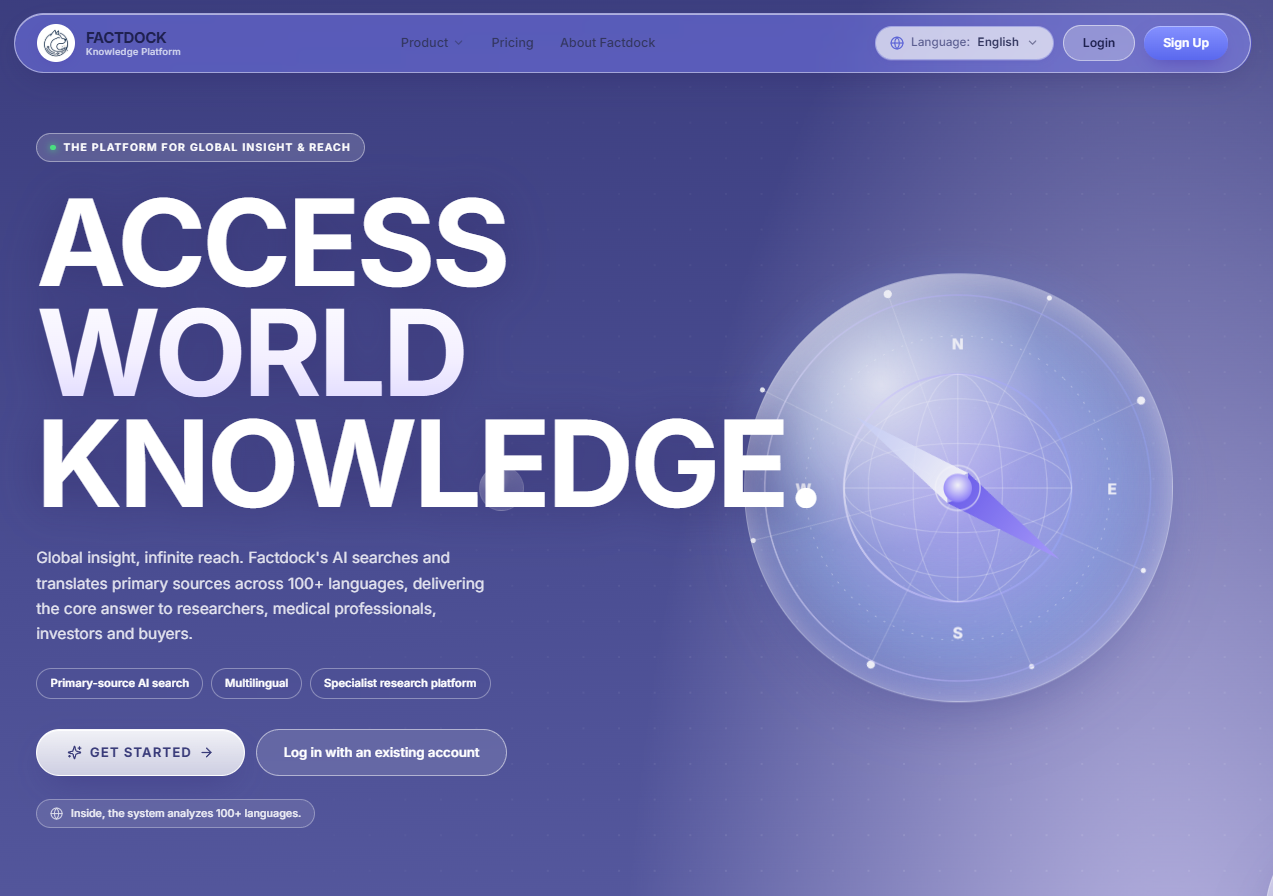
Factdock is a specialist research platform that reaches primary sources in 109 languages — government bodies, patent offices, academic databases, company registries — and delivers them in your own language.
- Good at
- Gathering official foreign primary sources and specialist material (patents, legal, trade, academic, investment) from across the world in English, in one pass. It removes the language barrier and the scattered-site problem at the same time.
- Not built for
- Everyday writing and conversation. A general-purpose conversational AI such as ChatGPT is the better tool for that.
2. The comparison table
Here are the five, compared on what actually matters for specialist research.
| Criterion | ChatGPT | Perplexity | Google / Bing | Specialist databases | Factdock |
|---|---|---|---|---|---|
| Strongest on | General knowledge, writing | General web material | Material in English | One field, in depth | Primary sources worldwide |
| Reaching primary sources | △ mostly learned data | △ mostly ranked articles | △ language barrier | ◎ but one at a time | ◎ extracted automatically |
| Searching across languages | △ quality varies by language | △ mostly English-language | × search each one separately | × handle each one separately | ◎ 109 languages |
| Specialist domains | None | None | None | Separate per field | 12 engines in one place |
| Citations | Weak | Strong | Up to you | Strong (per site) | Strong (every result) |
| Effort required | Low | Low | Medium to high | Very high | Low |
What the table shows plainly: of the five, only Factdock does both — searches across languages and reaches primary sources directly in your own.
3. Why Factdock exists
Factdock sets out to hold both ends of that seesaw at once: the convenience of AI and the certainty of a primary source. Three things make that work.
A patent-pending ranking that does not reward search optimisation
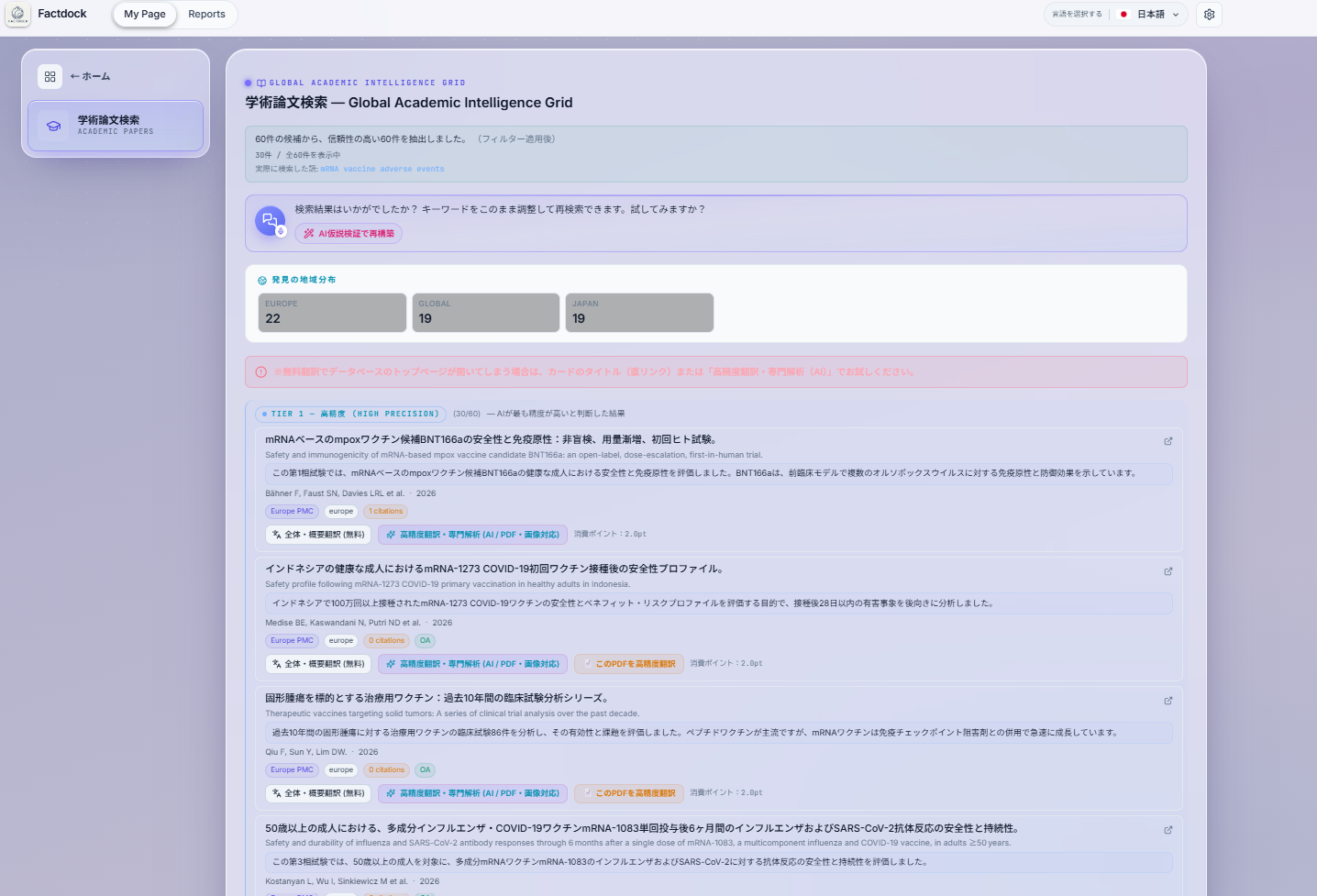
Ordinary AI search leans on the summaries and explainers that fill the open web. Factdock searches the primary sources themselves — government bodies, patent offices, academic databases, registry portals — in the language of the country concerned. Its ranking logic, currently patent-pending, is built to lift the sources that are genuinely worth reading rather than the ones written to rank, including the material an ordinary search buries ten pages down.
Twelve specialist engines, one account
The weakness of specialist databases was never their quality — it was that nothing joined them up. Factdock gathers twelve purpose-built engines under a single account. Checking a patent, reading a contract, confirming whether goods can be shipped: one way in, every time. No relearning a different interface for every country.
Your language in, local language out — and nothing kept
You type in English; the AI recasts it into the local language and professional terminology and searches with that. Results come back summarised in English, each one carrying a link to the primary source. What you searched for and what came back are never stored permanently on our servers — so research where the question itself is confidential, such as pre-acquisition company checks or a patent search for an unreleased product, can be done here safely.
4. The twelve specialist engines
Twelve engines to pick between, according to what you are trying to find out. All of them come with one account.
- 01Web IntelligenceConverts your question into the local language and searches the open web in depth
- 02Academic PapersQueries more than fifteen academic databases at once, summarised in your language
- 03Patent SearchSearches 18 countries and regions, each in its own legal terminology
- 04Corporate & RiskQueries the registries and disclosure portals of some fifty countries, locally and in English
- 05Legal & ContractFlags risk under the counterparty's own law and drafts bilingual contracts
- 06Finance & InvestmentCompares up to three countries on identical measures, from official data only
- 07Real EstateMarket data from public statistics, title from each country's official registry
- 08Government & InfrastructureFinds development plans, tenders and policy papers in local administrative terminology
- 09Trade & ComplianceChecks tariffs, import restrictions, required documents and sanctions lists in one pass
- 10Global Sales ChannelFinds buyers and distributors advertising in their own language
- 11OEM & Manufacturing SourcingFinds contract manufacturers under the name they call themselves locally
- 12Veterinary IntelligenceMatches cases and images against the world's primary sources (for veterinarians)
5. Who this is for
- Researchers and academicswho need a comprehensive view of the world's literature, readable in English
- Investors and analystswho need defensible cross-country comparisons built only from official data
- Legal and IP teamswho need foreign contracts and patents checked against local law, in the local language
- Trade and procurement teamswho need import rules, suppliers and manufacturers found in the local language
- Veterinary professionalswho want cases matched against the world's primary sources to inform clinical judgement
- Creators and marketers following international trendswho want the primary source behind an overseas trend — local media, official announcements — quickly and in English, without the language barrier
- Individuals living or operating internationallywho need accurate local government information and official terms of service, researched properly rather than through a translation app
For everyday questions, writing and general research, ChatGPT, Perplexity and Google Search are perfectly sufficient. Factdock is for the moment you need accurate foreign primary sources, found efficiently, by yourself, in English.
Frequently asked questions
Does Factdock replace ChatGPT or Perplexity?
They are for different things. ChatGPT and Perplexity remain convenient for everyday writing and general research. Factdock earns its place on foreign primary sources and specialist fields — patents, legal, trade, academic work.
How many languages does Factdock support?
Search, analysis and translation cover 109 languages once you are signed in, making it the only one of the five that searches across languages at a practical level. The public site itself is published in 38 languages.
What is the main difference from Perplexity?
Perplexity searches general web articles and cites them. Factdock narrows its search to primary sources — government bodies, patent offices, academic databases, company registries — and converts your question into the local language to reach them.
Is anything I search for kept?
The search conditions you enter and the results you receive are not stored permanently on Factdock's servers. Data held temporarily for processing is discarded as soon as processing completes.
Is there a free trial?
Instead of a free trial, every plan is 50% off for the first 30 days. A credit card is required to sign up, and the discount applies automatically for the first month.
Reach the world's primary sources in your own language
Twelve specialist engines across 109 languages of primary sources, under one account. Every plan is 50% off for the first 30 days.
Sources, trademarks and disclaimer
- Screenshots of the services shown in this article are reproduced from their publicly available interfaces for the purpose of comparison and description.
- ChatGPT is a trademark of OpenAI, L.L.C.; Perplexity of Perplexity AI, Inc.; Google and Bing of their respective owners. PubMed is a registered trademark of the U.S. National Library of Medicine. All trademarks belong to their respective holders.
- This comparison is based on information publicly available as of August 2026. Features, specifications and pricing may change; please check each service's official site for the current position.